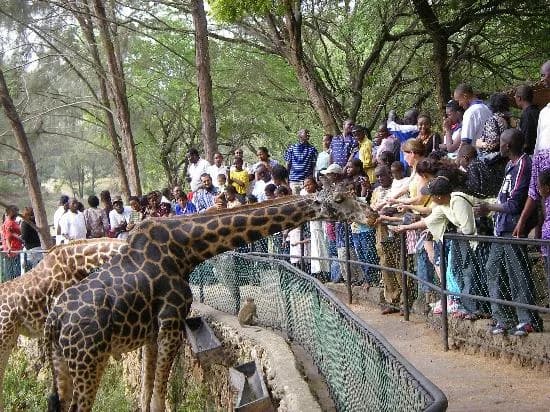
Most guests are surprised when I tell them Haller Park used to be a limestone quarry. There's nothing about the giraffes, hippos, and forest trails today that hints at what this land looked like fifty years ago, and that gap between then and now is honestly a bigger part of the story than the animals themselves. Here's what to expect, and why it's one of the stops I recommend most often on a half-day out from the beach.
Contents
- The short answer
- From cement quarry to forest
- Owen and Mzee
- What's actually in the park today
- Planning your visit
- FAQ
The short answer
Haller Park sits in Bamburi on the north coast, about 20–25 minutes from most Nyali hotels, and is open daily from 8am to 5pm (Haller Park official site). It's built for families and casual visitors rather than serious safari-goers — giraffe and hippo feeding, a reptile park, a butterfly pavilion, and easy forest trails, all set inside what was, within living memory, stripped bare limestone rock. Budget two to three hours, and go with the giraffe feeding as your anchor activity.
From cement quarry to forest
The land Haller Park now sits on was mined for limestone by Bamburi Cement starting in the 1950s, and by the time mining moved on, it had been left as roughly 2,000 acres of compacted rubble with no topsoil and no capacity to support plant life (Haller Park, Wikipedia). In 1971, ecologist Rene Haller began a rehabilitation project on the site, starting with nitrogen-fixing casuarina trees that could take root in crushed limestone and slowly rebuild soil chemistry from nothing. What followed was decades of deliberate ecological engineering — introducing millipedes and earthworms to break down organic matter, then progressively more complex plant and animal life as the soil recovered.
This is genuinely one of the more remarkable land rehabilitation projects on this coast, and it's worth mentioning to guests before they walk in — knowing the park is a fifty-year restoration project, not a natural forest, changes how you look at every tree and pond inside it.
Owen and Mzee
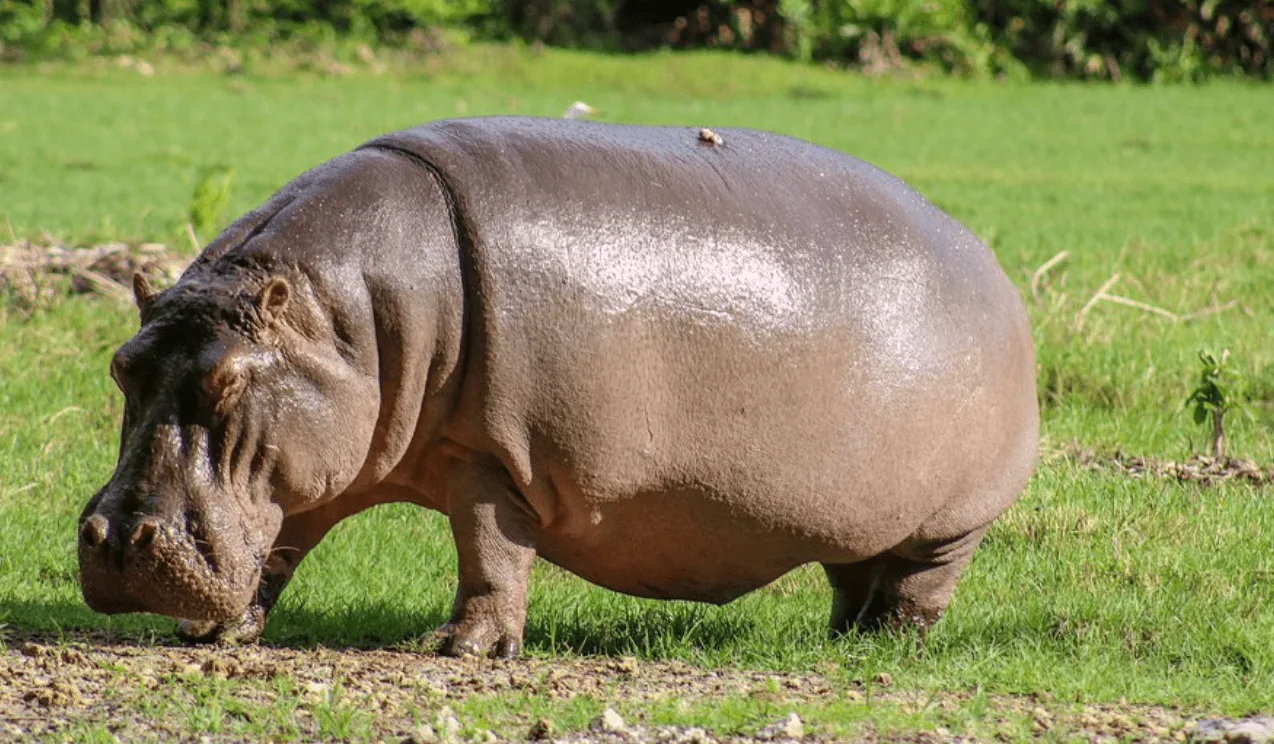
The park's best-known residents aren't a matched pair by nature but by circumstance. Owen, a baby hippo, was swept away from his pod and stranded on a beach near Malindi after the 2004 Indian Ocean tsunami. When he was brought to Haller Park, he was informally adopted by Mzee, a giant tortoise estimated at over a century old, who became his surrogate parent — the two were inseparable for years and became a well-documented conservation story (Haller Park, Wikipedia). Owen has since been relocated to live with other hippos as he grew larger, but Mzee remains at the park, and staff are usually happy to point out where.
What's actually in the park today
- Giraffe and hippo feeding — raised platforms let visitors hand-feed giraffes directly, which is the single most popular activity in the park, especially with kids.
- Reptile park — crocodiles, tortoises, and a range of snakes and other reptiles in enclosures along a walking loop.
- Butterfly pavilion — a walk-through garden with native butterfly species, a good slower-paced stop if you're doing the park with young children.
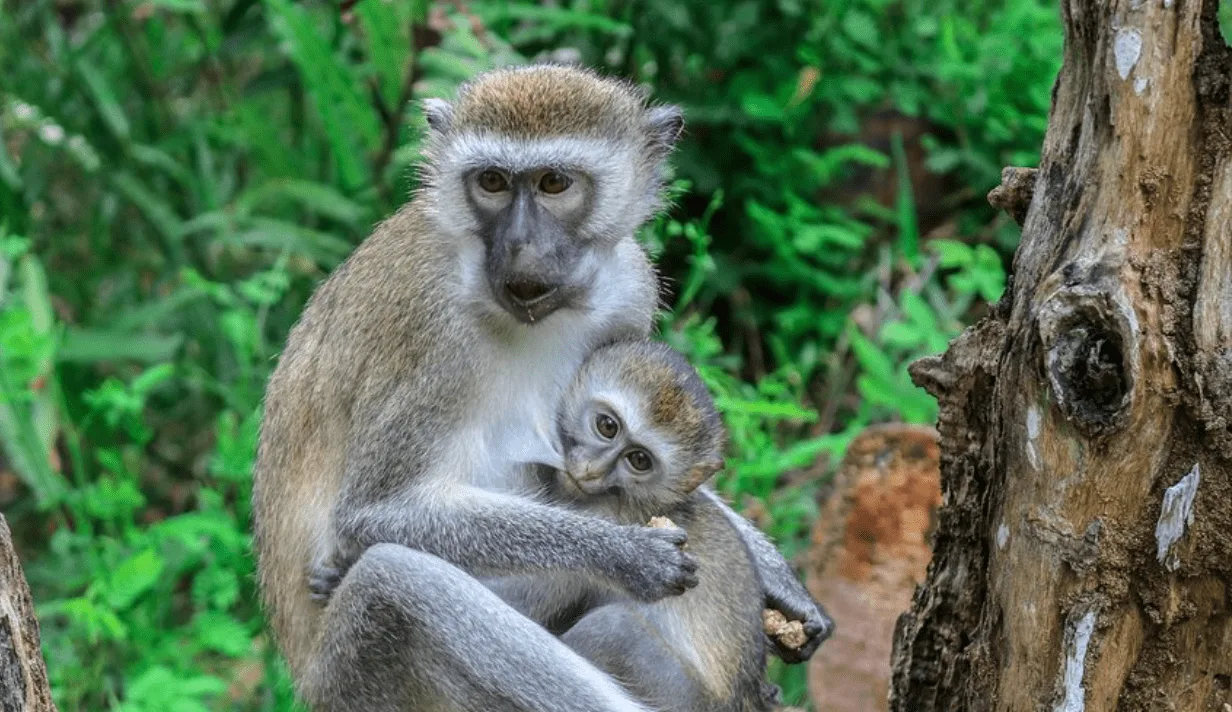
- Forest and wetland trails — easy walking and cycling paths through the rehabilitated forest, with over 200 recorded bird species making it a worthwhile stop even for casual birdwatchers who wouldn't normally seek out a birding site.
- Aquaculture ponds — a working demonstration of sustainable fish farming, part of the same land-reuse philosophy that built the rest of the park, and a good conversation starter with guests interested in how the site actually functions rather than just what's on show.
Planning your visit
- Combine it with a city tour. Haller Park pairs naturally with a half-day covering Fort Jesus and Old Town, since it sits on the same north-coast side as most hotels — see our half-day city tour for how we usually structure that combination.
- Check current ticket prices before you go. Rates for residents, non-residents, and children vary and are updated periodically — the park's own site is the most reliable source at the time of your visit, rather than third-party listings.
- Wear comfortable shoes. The forest trails are unpaved and can be uneven in places, a legacy of the quarry terrain beneath the restored soil.
- Go in the morning if you want the giraffe feeding without a crowd — tour groups tend to arrive from mid-morning onward.
FAQ
How long does a visit to Haller Park take?
Most guests spend two to three hours — enough time for the giraffe and hippo feeding, the reptile park, and a walk through part of the forest trail without rushing.
Is Haller Park suitable for young children?
Yes, it's one of the more child-friendly attractions on this coast — the giraffe feeding platforms and butterfly pavilion in particular are built with families in mind, and the walking is easy and mostly flat.
Are Owen and Mzee still at the park?
Mzee still lives at Haller Park. Owen was moved to live with other hippos once he outgrew the arrangement with Mzee, which is common practice as hippos mature.
Is Haller Park a zoo?
Not exactly — it's better described as a rehabilitated ecological park and wildlife sanctuary built on former quarry land, distinct from a traditional zoo in both its origin and its conservation focus.
Can I combine Haller Park with Fort Jesus in the same day?
Yes, and it's a common pairing — both sit within a reasonable drive of most north-coast hotels, and we regularly build a single half-day itinerary around both stops.
Want Haller Park built into a half-day out from your hotel? Tell us your dates and we'll plan the timing around feeding hours, or see our half-day city tour for how it's usually paired with Fort Jesus and Old Town.