Guests finish the Fort Jesus tour and ask me the same question almost every time: where do we eat now? Old Town is one of the best places on the coast to do it, but it's easy to walk past the good spots if you don't know what you're looking for. Twenty-one years of walking these same streets has taught me which dishes to order and which doorways lead somewhere worth sitting down in.
Contents
- The short answer
- Why Old Town's food tastes the way it does
- Dishes to order
- Where to eat near Fort Jesus
- Street food and the spice market
- Practical tips
- FAQ
The short answer
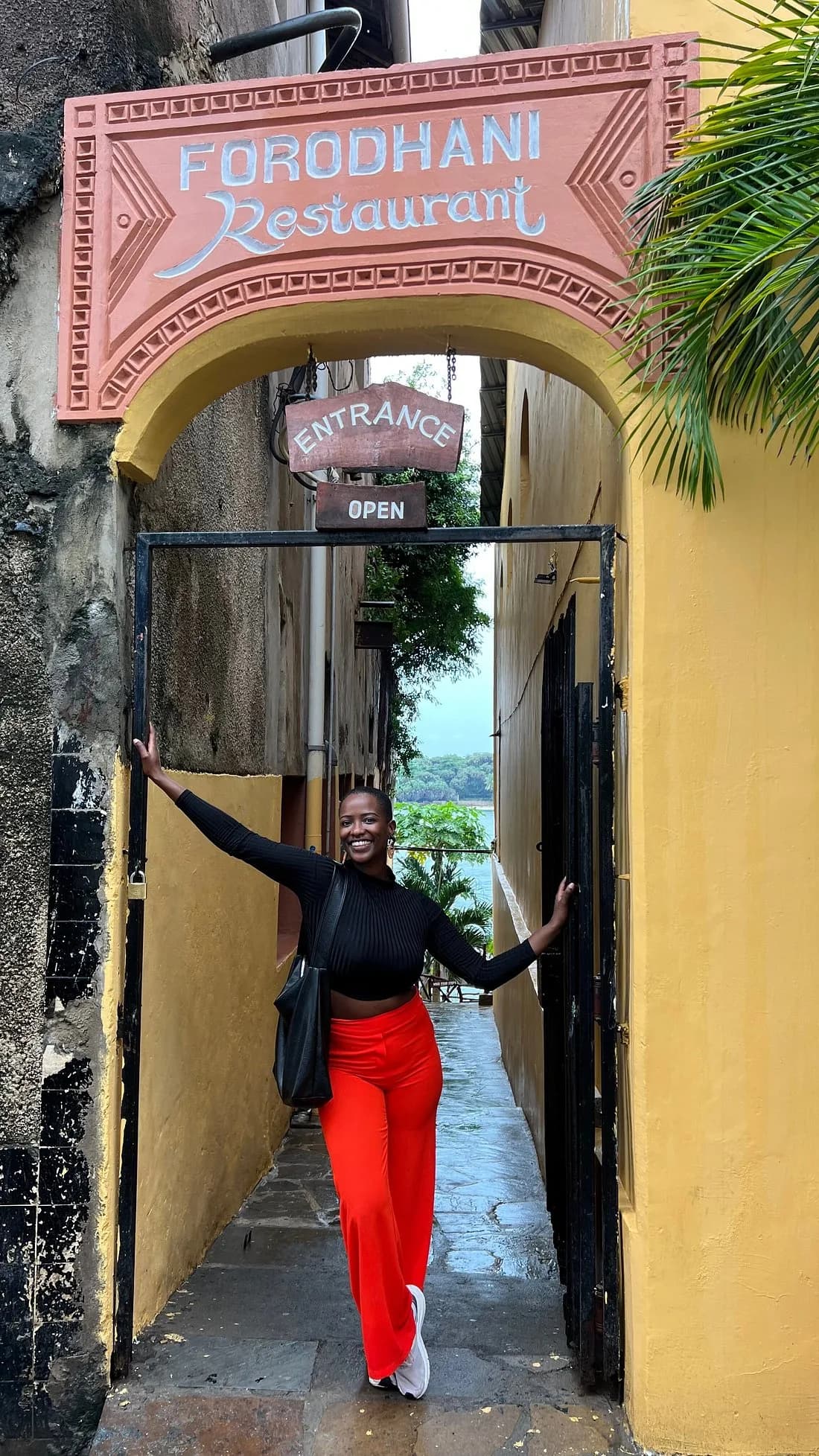
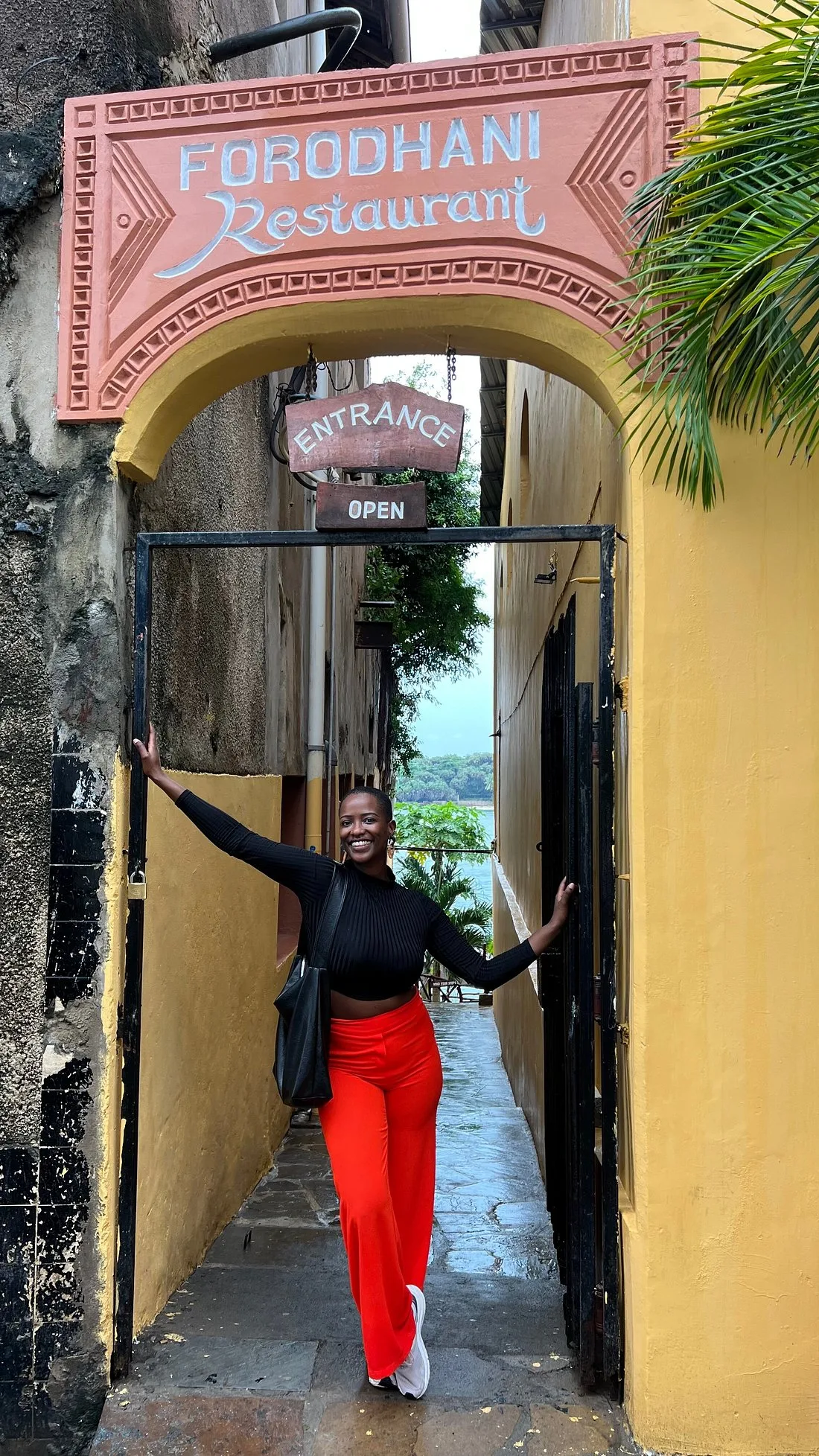
Order biryani ya kuku (chicken biryani) or samaki wa kupaka (coconut-crusted grilled fish) at a proper Swahili restaurant rather than a hotel buffet, finish with mahamri and spiced tea, and do it within a few minutes' walk of Fort Jesus — Old Town's best kitchens are clustered right around the fort and the old harbor. Forodhani Restaurant and Jahazi Coffee House are the two I point guests toward most often, both an easy stroll from the fort gate.
Why Old Town's food tastes the way it does
Old Town's food didn't develop in isolation — it's the result of centuries of maritime trade running through this harbor. Arab traders were working this coast from as early as the 12th century, and the spice routes that followed brought cloves, cardamom, cinnamon, nutmeg, and black pepper from Arabia, Persia, and the Indian subcontinent into local kitchens (The Spice Legacy of East Africa). Add the coconut, rice, and seafood native to this coastline, and you get Swahili cuisine — a genuinely distinct tradition, not a regional variation of Kenyan food generally.
You can see the same layered history in the walls above the harbor: Fort Jesus was built by the Portuguese between 1593 and 1596, changed hands at least nine times between Portuguese, Omani Arab, and British control, and was recognized as a UNESCO World Heritage Site in 2011 for being one of the best-preserved examples of 16th-century Portuguese military architecture anywhere in the world (UNESCO World Heritage Centre). Every group that passed through left something behind — in the architecture, and on the plate.
Dishes to order
A few dishes worth specifically asking for, rather than defaulting to whatever's on a tourist menu:
- Biryani ya kuku — Mombasa's version of chicken biryani, layered with spice and slow-cooked rather than the lighter, drier biryanis you'll find inland. This is the coast's signature rice dish and the one locals argue about most (everyone has an opinion on whose is best).
- Pilau — denser and more intensely spiced than the pilau you'll find elsewhere in Kenya, usually served with kachumbari (a tomato-onion salad) or grilled meat.
- Samaki wa kupaka — grilled snapper or kingfish finished in a coconut, lime, and turmeric sauce. This is the dish I'd point to as the clearest example of what makes Swahili coastal food different from food anywhere else in the country.
- Mahamri — lightly sweet, cardamom-scented doughnuts, best eaten hot with tea or with mbaazi (pigeon peas cooked in coconut milk) for breakfast.
- Halwa — a dense, fragrant sweet made from sugar, ghee, and cardamom, traditionally sold by weight from family-run shops rather than served as a restaurant dessert.
Where to eat near Fort Jesus
- Forodhani Restaurant — a seafront spot by the old harbor, close enough to Fort Jesus to walk to straight off a tour. Their chicken biryani, pilau, and spicy prawns are what regulars order, along with ukwanju (tamarind juice) to go with it.
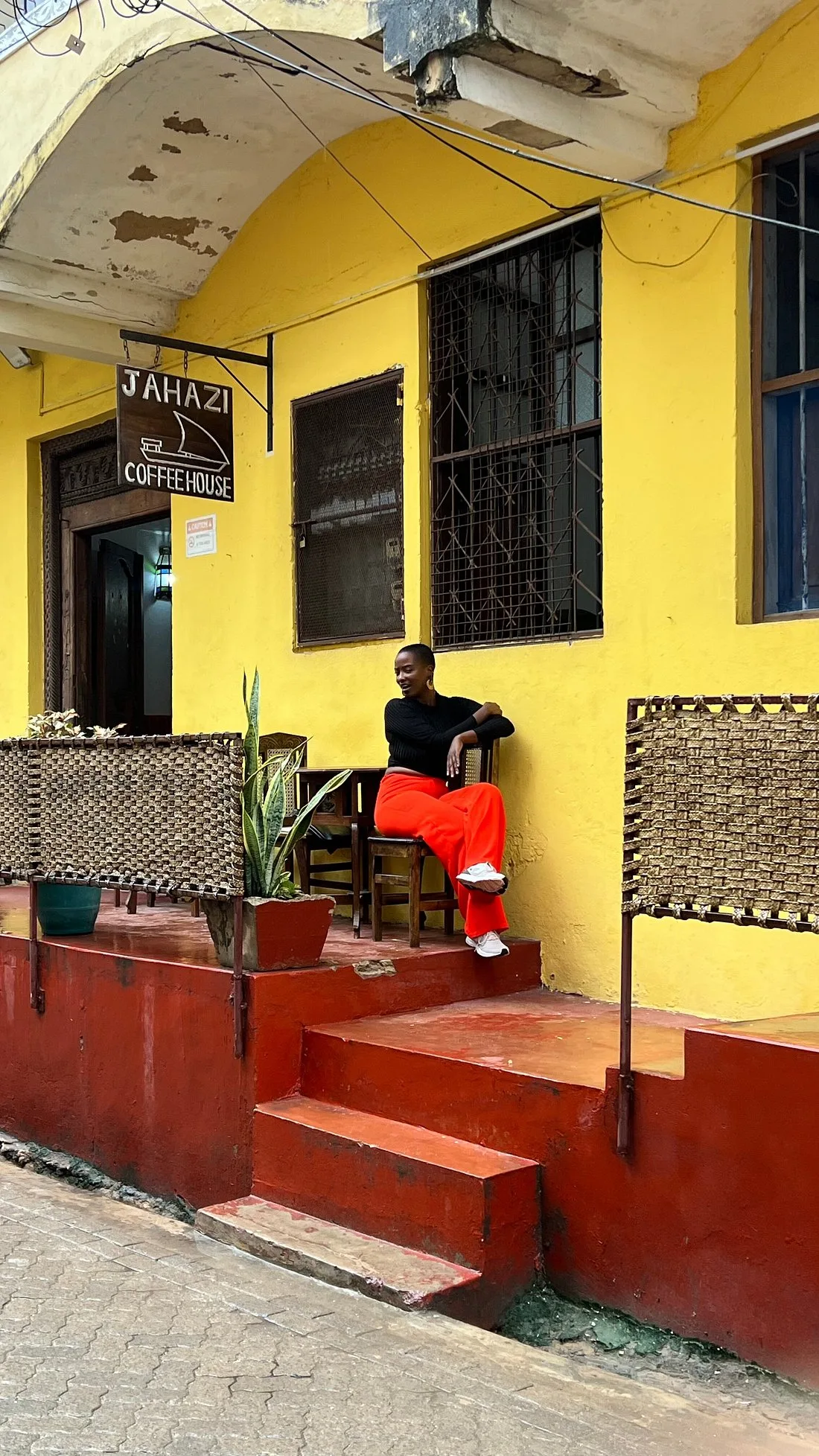
- Jahazi Coffee House — a short walk from the fort, set in a building that itself reflects Old Town's layered architecture. Good for bhajias and samosas if you want something lighter, with mains including biryani and samaki wa nazi (coconut fish curry).
- Island Dishes — on Kibikoni Street, a long-running Old Town institution for straightforward Swahili cooking, and a good option if you'd rather sit somewhere locals actually eat than a spot built mainly for tourists.
- Tamarind Restaurant — set above the old harbor, with a menu built almost entirely around seafood, and a view worth the slightly higher price if you're finishing the day here.
These come up repeatedly across independent reviews, not just guide recommendations — see the current Tripadvisor listings near Fort Jesus for recent visitor feedback.
Street food and the spice market
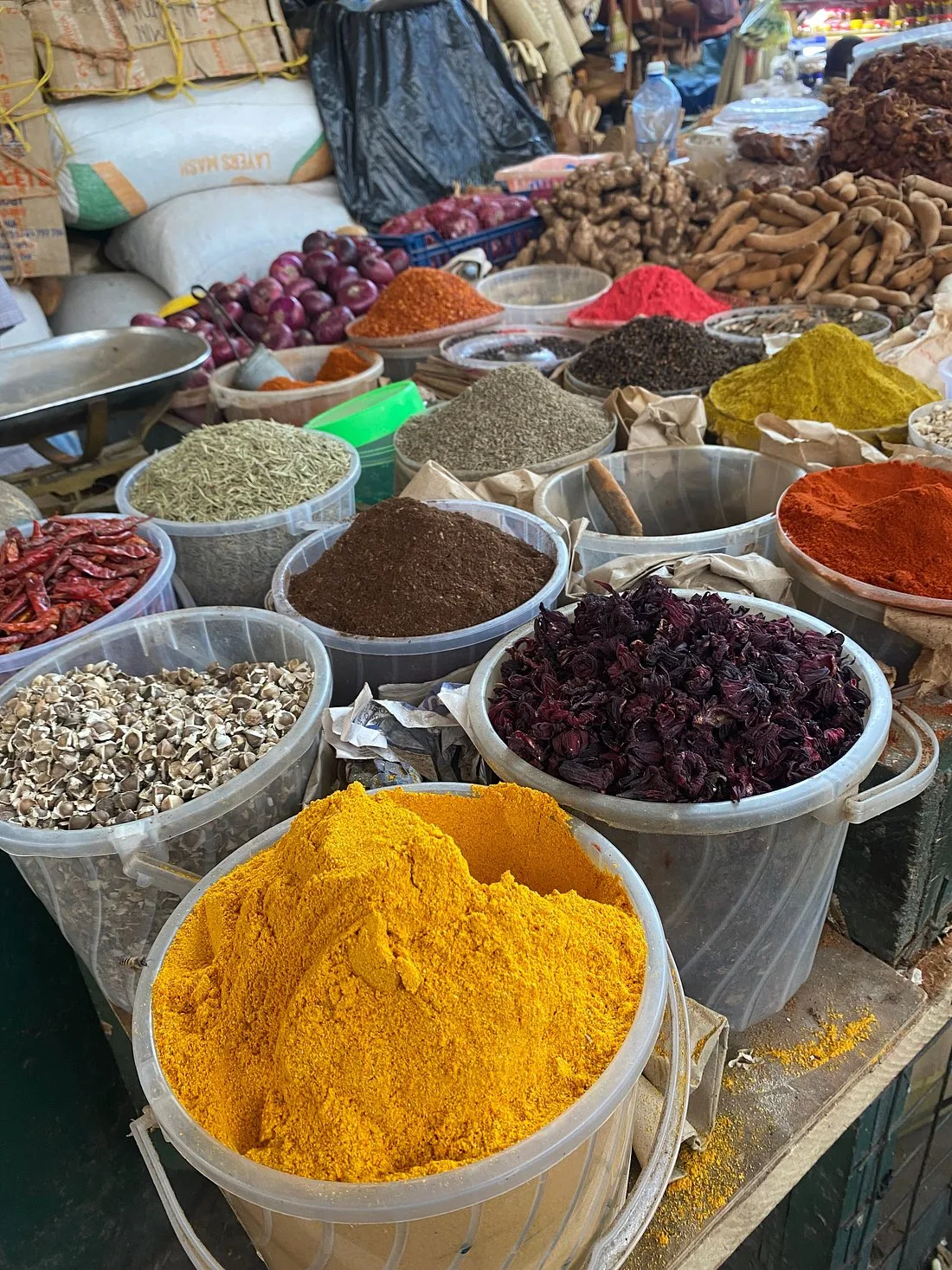
Old Town's spice market is worth building time around rather than rushing through — it's where the cinnamon, cloves, cardamom, and turmeric behind everything on this list are still sold much as they have been for generations. It's also where you'll find some of the best cheap eating in the area: viazi karai (spiced, battered, deep-fried potatoes) from street vendors are worth stopping for if you see a stall doing brisk business — that's usually the sign it's good.
Practical tips
- Skip the hotel breakfast if you're doing a morning tour — save room for mahamri and mbaazi partway through.
- Carry cash. Smaller, family-run spots don't always take cards, even as larger restaurants increasingly do.
- Ask before you order if a dish is very spicy — Old Town cooking runs hotter than most visitors expect.
- Pair it with the walk itself. Our Old Town walking tour guide covers the route past Fort Jesus and the spice market — food fits naturally into a break partway through.
FAQ
Is Old Town food safe for tourists to eat?
Yes, at the established restaurants and busy street stalls covered here — high turnover is generally a good sign of freshness. It's the quiet, empty-looking spots I'd be more cautious about, not Old Town cooking as a category.
What's the difference between Swahili biryani and Indian biryani?
Swahili biryani is more heavily spiced and uses a layering technique adapted from Indian and Arab traditions over generations on this coast — genuinely its own style rather than a direct copy of either.
Can I visit the spice market without buying anything?
Yes — vendors are used to visitors browsing without a purchase, though a small buy of vanilla, cardamom, or cinnamon travels well as a souvenir.
Do I need to book restaurants in Old Town in advance?
Not usually, except around major holidays. Arriving before the midday lunch rush means less waiting.
Is Old Town food included on a guided tour?
Not automatically, but it's easy to add — mention it when booking and most operators, including ours, can build a food stop into an Old Town or Fort Jesus itinerary.
Want food built into your Old Town walk rather than figuring it out afterward? Tell us your dates and we'll work a proper Swahili lunch into the route, or browse our Old Town and city tours to see what's already on offer.